
Solar Battery Storage Solutions for NSW Homeowners
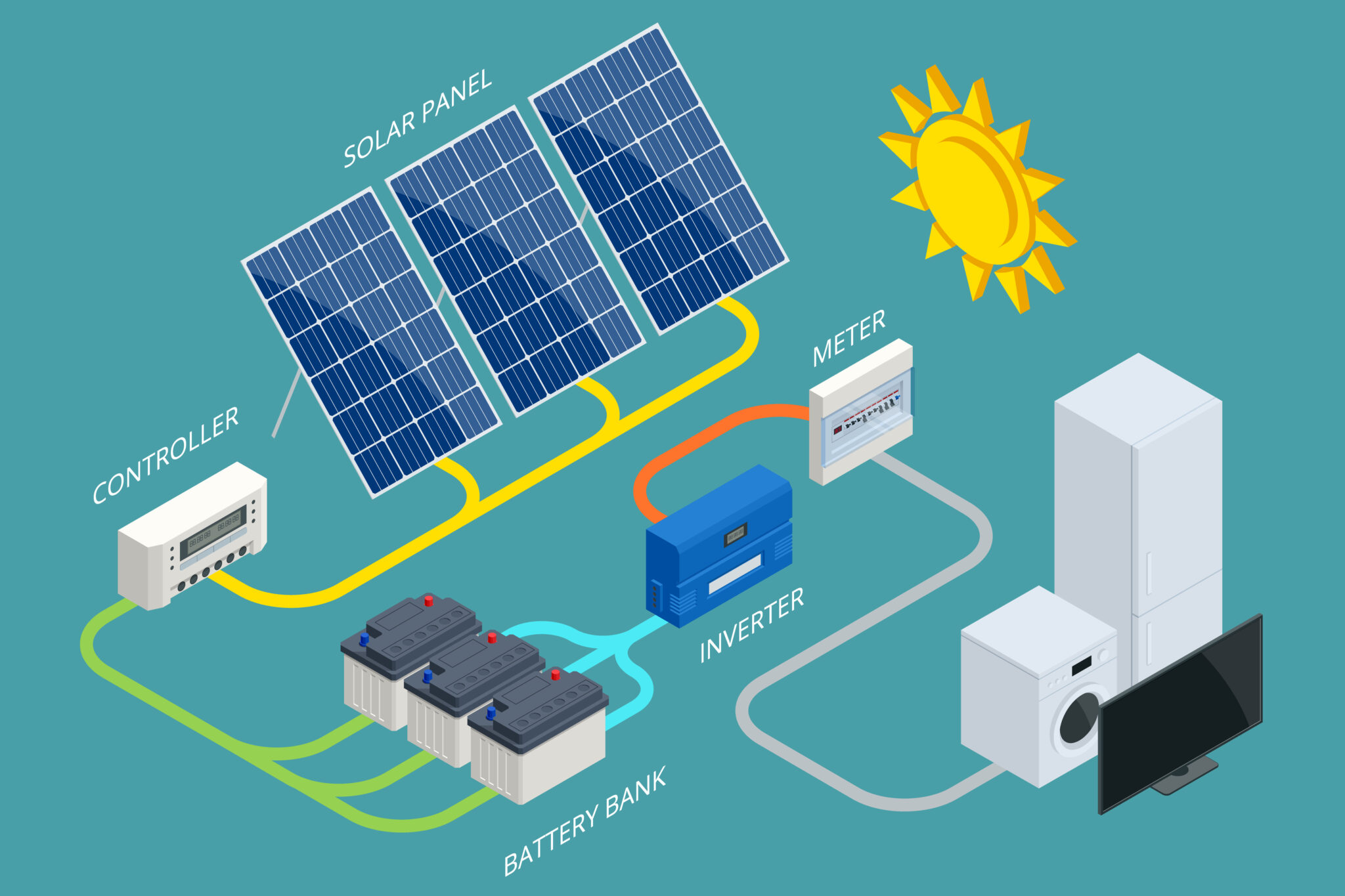
Solar battery storage transforms renewable energy systems into complete home energy solutions. NSW homeowners increasingly adopt battery systems maximising solar energy benefits throughout the day. Storage technology enables energy independence and protection against grid outages and price fluctuations. This guide explains how solar battery storage works and benefits NSW households.
How solar battery storage works
Solar panels generate electricity during daylight hours but produce nothing at night. Battery systems store excess daytime solar energy for use during evening hours and cloudy days. Intelligent inverters manage energy flow between solar panels, batteries, home loads, and the grid. Storage capacity determines how many hours of household energy can be supplied independently.
Lithium-ion batteries dominate modern residential storage offering excellent performance and longevity. Depth of discharge capability determines usable storage capacity from your total battery size. Cycle life indicates how many charge and discharge cycles batteries endure before degradation. Warranty periods typically guarantee seventy to eighty percent capacity retention across a decade.
Smart monitoring systems track energy generation, consumption, and storage in real time. Mobile applications allow homeowners to monitor system performance and adjust settings remotely. Automated controls optimise battery charging and discharging based on household consumption patterns. Data analytics identify opportunities for further efficiency improvements and energy cost reductions.
Benefits of battery storage for NSW homes
Reducing electricity bills represents the primary benefit of solar battery installation. NSW solar battery storage systems allow homes to use free solar energy instead of purchasing expensive grid electricity. Backup power during grid outages protects households from disruption and maintains essential services. Environmental benefits from reduced grid electricity consumption align with climate change mitigation efforts.
Increased home value appeals to modern buyers seeking energy-efficient properties. Government incentives and rebates reduce upfront costs for eligible NSW households substantially. Protection against future electricity price increases provides long-term financial security. Energy independence fosters resilience against external supply disruptions and economic uncertainty.
Household consumption patterns influence optimal battery sizing and system configuration requirements. Families with high evening energy use benefit most from larger battery systems. Off-peak charging programs allow grid electricity charging during cheap tariff periods enhancing savings. Time-of-use tariffs reward shifting consumption to cheaper periods which battery systems facilitate.
Choosing the right system for your needs
System sizing depends on daily energy consumption, sun exposure, and backup power requirements. Professional energy audits determine household consumption patterns and battery capacity requirements. Roof space and orientation affect solar panel sizing and potential energy generation. Property characteristics including climate, shading, and electricity tariffs influence system recommendations.
Battery chemistry choices involve lithium-ion, lead-acid, and emerging alternative technologies. Lithium systems offer superior performance, longevity, and increasingly competitive pricing compared to alternatives. Lead-acid batteries cost less initially but provide shorter lifespan and lower depth of discharge. Hybrid systems combine battery storage with grid connection providing flexibility and reliability.
Brand reputation, warranty coverage, and installer experience significantly impact long-term satisfaction. Local installers understand NSW conditions and provide superior ongoing maintenance support. Integration with existing solar systems or installation alongside new panels requires careful planning. Future expansion capacity allows battery system upgrades if household energy needs change over time.
Installation, maintenance, and long-term value
Professional installation ensures compliance with electrical codes and warranty validity. Licensed electricians properly integrate battery systems with solar panels and home electrical infrastructure. Safety disconnects and monitoring equipment protect your household from electrical hazards. Proper commissioning and testing confirm system functionality before regular operation begins.
Maintenance requirements vary by technology but typically involve minimal ongoing effort. Monitoring systems alert homeowners to performance issues requiring professional attention. Battery temperature control maintains optimal operating conditions and extends lifespan significantly. Businesses across Australia including those in Western Australia are adopting Small Business Perth strategies for energy management.
Return on investment timelines typically range from seven to ten years depending on system size. Payback periods shorten with high electricity consumption and generous government incentive programs. Long-term energy bill reductions and environmental benefits extend well beyond financial payback periods. Modern battery systems should deliver twenty plus years of reliable service with minimal degradation.