
From Struggle to Strength: Reimagining Recovery and Wellbeing
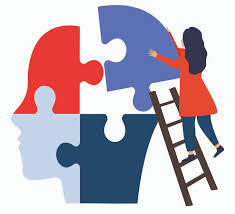
Behavior Health / Addiction is a topic that affects millions of individuals, families, and communities across the world. While addiction is often misunderstood, it is closely connected to emotional wellness, mental health, lifestyle patterns, and the ability to cope with stress or trauma. Today, more people are recognizing that recovery is not simply about stopping harmful habits—it is about rebuilding health, stability, and purpose through the right support systems and professional care.
What Does Behavior Health / Addiction Mean?
Behavioral health focuses on how habits, emotions, mental well-being, and daily choices impact a person’s overall quality of life. Addiction can involve substances such as alcohol or drugs, but it can also include behaviors like gambling, gaming, or compulsive internet use.
When discussing Behavior Health / Addiction, it is important to understand that addiction is rarely caused by one single factor. It often develops through a combination of emotional struggles, environmental stress, trauma, genetics, and repeated unhealthy coping mechanisms.
This is why modern treatment focuses on the whole person instead of only the addiction itself.
Common Signs That Support May Be Needed
Recognizing early warning signs can help individuals seek help before problems become more serious. Some common indicators include:
- Loss of control over substance use or behaviors
- Increased secrecy or isolation
- Mood swings, anxiety, or depression
- Trouble at work, school, or home
- Financial difficulties linked to habits
- Relationship conflicts
- Physical health decline
- Failed attempts to stop alone
These signs do not mean failure—they often signal that professional support may be beneficial.
The Connection Between Mental Health and Addiction
Mental health and addiction frequently overlap. Many individuals use substances or harmful behaviors to temporarily escape anxiety, depression, trauma, or emotional pain. Unfortunately, this often creates a cycle where addiction worsens mental health over time.
That is why integrated treatment plans are so important. Addressing both emotional well-being and addictive patterns together often leads to stronger long-term outcomes.
Effective Treatment Approaches
Recovery looks different for every person. There is no one-size-fits-all solution, but many successful programs include a combination of the following:
Professional Counseling
Licensed therapists can help individuals identify triggers, manage emotions, and build healthier coping strategies.
Medical Support
Some people benefit from supervised detox, medication-assisted treatment, or healthcare monitoring depending on their situation.
Group Support
Peer groups and recovery communities provide encouragement, accountability, and shared understanding.
Family Therapy
Addiction often impacts loved ones. Family counseling can rebuild trust and improve communication.
Lifestyle Changes
Healthy sleep, exercise, nutrition, stress management, and routine can greatly strengthen recovery progress.
Why Early Intervention Matters
The earlier someone receives help, the easier it can be to prevent deeper emotional, financial, and health consequences. Waiting often allows patterns to become stronger and more damaging.
Seeking help early is not weakness—it is a proactive decision that can change the future.
Breaking the Stigma Around Addiction
One of the biggest barriers to treatment is shame. Many people avoid asking for help because they fear judgment. In reality, addiction is a health challenge, not a moral failure.
When society treats Behavior Health / Addiction with compassion and education, more people feel safe enough to begin recovery.
Language matters. Support matters. Understanding matters.
Supporting a Loved One
If someone close to you is struggling, consider these helpful approaches:
- Speak calmly without blame
- Encourage professional treatment
- Set healthy boundaries
- Learn about addiction and recovery
- Avoid enabling harmful behaviors
- Be patient with the process
Recovery often includes setbacks, but progress is still possible.
Building Long-Term Recovery
Recovery is not just about quitting something harmful. It is about creating a meaningful and stable life that makes relapse less likely. This can include:
- Career goals
- Healthy relationships
- New hobbies
- Emotional resilience
- Physical wellness
- Positive routines
- Community connection
The stronger the life foundation becomes, the stronger recovery can become.
Final Thoughts
Behavior Health / Addiction should be approached with knowledge, compassion, and evidence-based support. Whether someone is facing substance misuse, compulsive behaviors, or mental health struggles connected to addiction, real recovery is possible with the right help.
No matter how difficult the situation may seem, change can begin with one honest step forward. Support systems, treatment professionals, and recovery communities continue to help people rebuild healthier and more fulfilling lives every day.